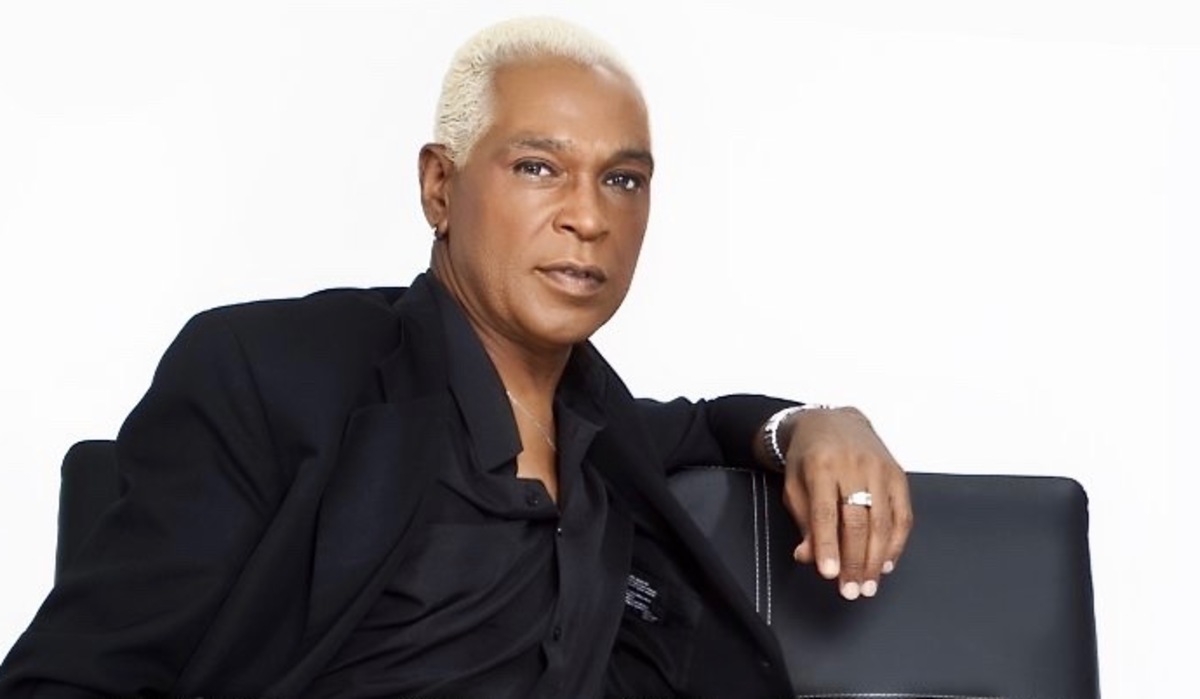
Phil Flowers
Phillip John Flowers Born in Longwood, North Carolina, on 28 January 1934, was a Washington, D.C.-based singer, songwriter, and composer whose career spanned the rock ‘n’ roll, soul, and gospel genres. Known for his versatility as a performer and his prolific output, Flowers recorded under various names, including the pseudonym Skip Manning, and was often referred to by the moniker "The Black Elvis" and 'Skip Manning'
Early Career and Military Service
Flowers began his professional trajectory in the early 1950s while serving in the U.S. Air Force. During his service, he performed with the Air Force entertainment group "Tops In Blues", a tenure that provided him with early national exposure.
Musical Development and Major Recordings
Following his discharge, Flowers established himself as a fixture in the Washington, D.C. music scene, notably performing at venues such as the Rocket Room and Benny’s Rebel Room. His recording career was marked by its breadth:
Chart Success:
His 1967 single "Cry On My Shoulder" for Dot Records gained significant regional popularity, leading to an appearance on the Dick Clark Show.
Label Affiliations: He recorded for numerous labels, including A&M, Dot, Epic, and Columbia.
Songwriting:
Flowers penned hundreds of songs; notable compositions include "Slippin' Through My Fingers" (recorded by The Chartbusters) and "I May Never Pass This Way Again" (covered by Glen Campbell).
Performance Style:
He was recognised for his vocal impressions of artists such as Ray Charles, Elvis Presley, and Nat King Cole.
Social Engagement and The United Family
In 1968, in the wake of the assassination of Dr. Martin Luther King Jr., Flowers and his group, The Flower Shop, performed across Washington, D.C. to assist in calming race riots. Later, he performed alongside his siblings and children as Phil Flowers and His United Family, releasing the 1973 gospel-soul album Alpha and Omega.
Later Years and Passing
During the latter part of his career, Flowers toured internationally, performing in Saudi Arabia, Bermuda, Puerto Rico, and Europe, and was a frequent performer on the cruise ship circuit. He remained active in charitable work, including benefits for the disabled and the Alexandria Coalition for the Homeless.
Phil Flowers died of cancer on 22 January 2001 at Shady Grove Adventist Hospital in Rockville, Maryland, at the age of 66.
https://tinyurl.com/55hxr49k