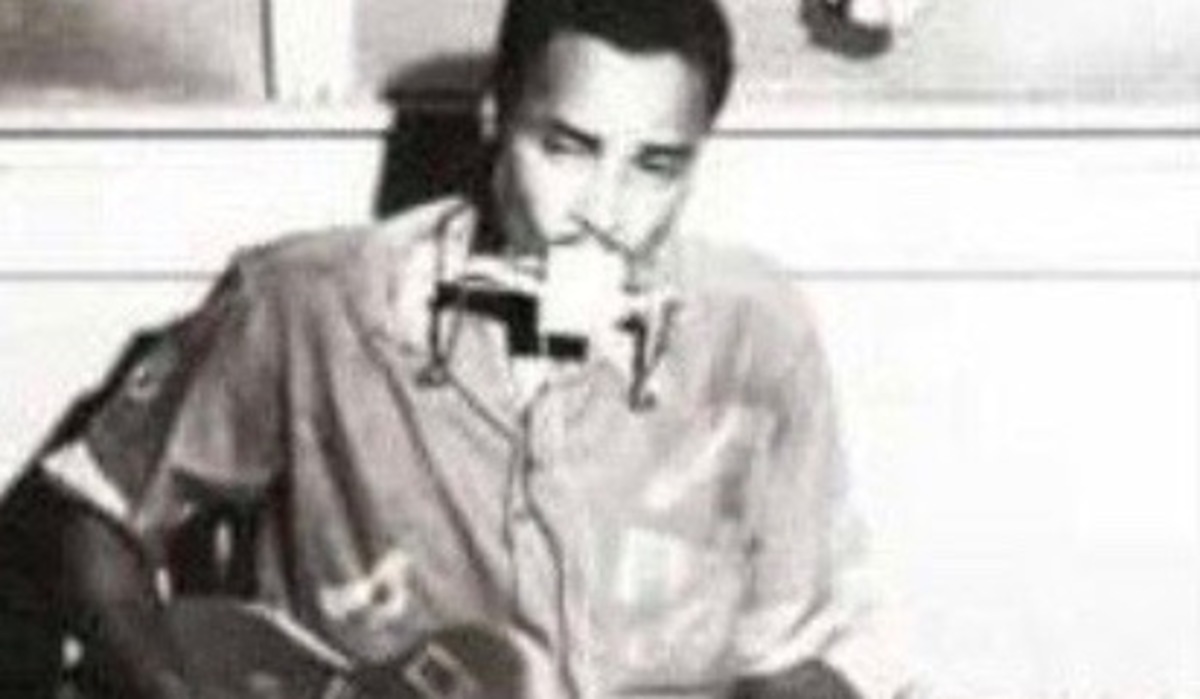
Blue Smitty
Claude Smith (6 November 1924 – 5 December 2007; Marianna, Arkansas), better known by the stage name Blue Smitty, was an American singer and guitarist specialising as a vocalist and electric blues guitarist.
He made a significant contribution to the migration of acoustic blues to electric blues in Chicago after the Second World War. Noted for his technical proficiency and intricate fretboard fingerwork during the developmental years of the post-war Chicago blues scene, his pioneering approach helped shape the sonic transition of traditional Delta blues into an amplified urban format. He collaborated with prominent contemporary figures who would go on to define the genre, establishing a foundational blueprint for subsequent generations of electric musicians.
Early Life
Born in Marianna, Arkansas, Smith grew up in Chicago, Illinois, before returning to Arkansas during his teenage years. According to reported accounts, his musical aptitude manifested rapidly at the age of fourteen when he developed the ability to play the guitar overnight using a borrowed instrument. He spent his youth honing his musical skills in the southern acoustic blues tradition before being conscripted into the United States Army during the Second World War, where he regularly performed to entertain fellow military personnel. Following his military discharge, he spent a brief period in Memphis, Tennessee, before relocating permanently back to Chicago in the mid-1940s to pursue opportunities within the city's rapidly expanding post-war musical landscape.
Career
Upon arriving in Chicago, Smith integrated into the local blues circuit, working closely with guitarists Jimmy Rogers and Muddy Waters, whom he reportedly influenced regarding fretboard fingering techniques and technical equipment adjustments.
Operating under the name Blue Smitty and His String Men, he secured early club dates alongside Rogers and a drummer known as Pork Chop, eventually obtaining the collective's first paid residency. Despite his technical capability, Smith maintained a primary profession as a skilled electrician, which provided him with specialised knowledge to construct and repair early amplifiers and guitar pick-ups, though his employment commitments often limited his availability for late-night musical engagements. His association with Muddy Waters eventually led to session work at Chess Studios, where in July 1952, Smith recorded four original tracks: "Sad Story", "Crying", "Elgin Movements", and "Date Bait". Chess Records released "Sad Story" coupled with "Crying" as a single in October 1952, showcasing his sophisticated vocal delivery and fluid electric guitar runs. However, his commercial momentum was eclipsed when Little Walter's instrumental track "Juke" ascended to the top of the Billboard R&B charts shortly thereafter, prompting the label to prioritise other mainstream stars and leave Smith's remaining recordings unissued for decades. His unreleased material subsequently surfaced via digital streaming platforms and specialised retrospective compilations, and his early contributions were later detailed in extensive interviews published by Living Blues magazine during the 1970s.
Personal Life
Smith maintained a private personal life while balancing his dual identities as a professional trade electrician and a local blues musician. He eventually established a long-term residence in Joliet, Illinois, where his regular performances at local venues like Club 99 cemented his local moniker, Blue Smitty.
He remained a respected figure among regional musicians who valued his technical guidance on electronic instrumentation and amplification during the infancy of electric blues. His underappreciated legacy within the broader commercial music industry meant he was frequently conflated in historical documentation with other blues performers sharing a similar surname, such as Byther Smith or Big Bad Smitty.
Current Activities
As Claude Smith is deceased, he is no longer engaged in active recording projects or live public performances. His musical footprint remains preserved through historical archives, independent blues discographies, and digital streaming reissues of his 1952 recordings.
His legacy as a critical link in the post-war transition of Chicago blues continues to be studied by musicologists and blues historians. Claude Smith's work continues to be curated through official channels and recognised archives, with announcements regarding reissues or tributes made publicly when confirmed.
This biography is considered accurate at the time of compiling, based upon currently available information.
http://bit.ly/2PciX4T