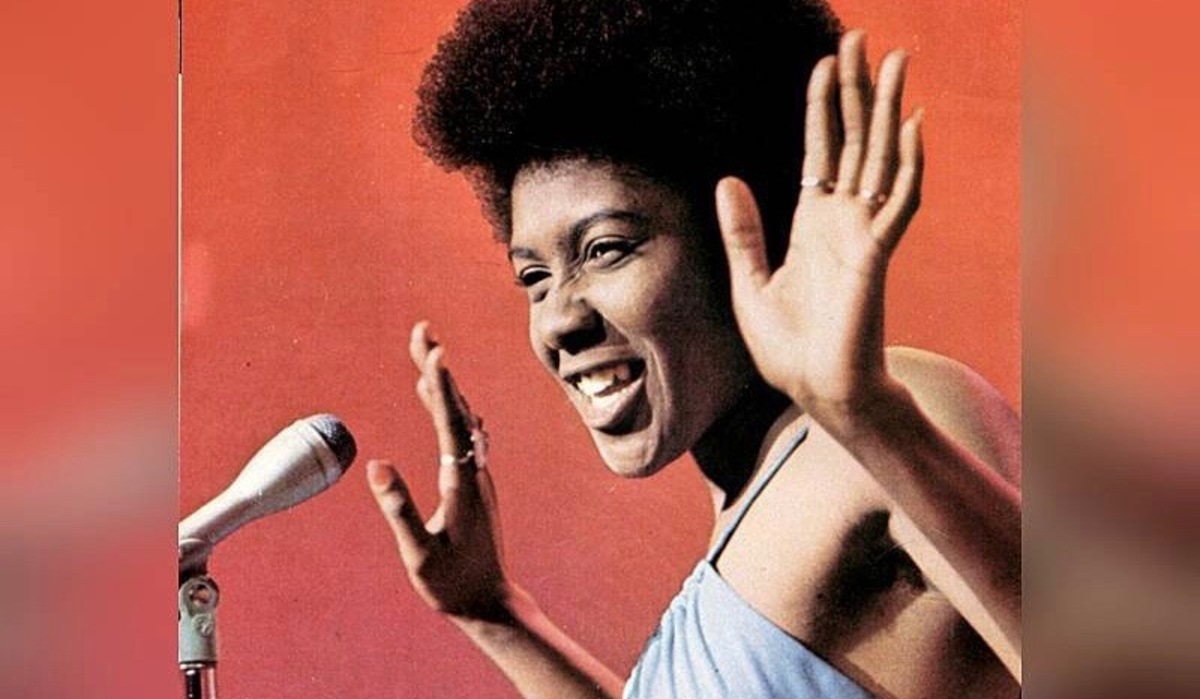
Dorothy Moore
Dorothy Moore (born 13 October 1946; Jackson, Mississippi) is an American blues, gospel, and R&B singer best known for her spectacular vocal control and emotional depth. Often referred to as an "R&B singer with a blues heart," she achieved international fame during the 1970s with a string of sophisticated soul ballads that bridged the gap between Southern soul and the pop charts.
Her signature 1976 hit, "Misty Blue", remains a genre standard, earning her legendary status within the industry. Over a career spanning six decades, Moore has received four Grammy Award nominations and established herself as a successful independent label owner, ensuring her creative autonomy in an evolving music landscape.
Early Life
Born in Jackson, Mississippi, Moore was immersed in the region’s rich musical traditions from birth. Her parents were Mary Moore and Melvin Hendrex Senior; her father performed professionally under the stage name Melvin Henderson as a member of the renowned Five Blind Boys of Mississippi. Raised primarily by her great-grandmother, Moore began cultivating her voice in the local church choir at a young age.
Her formal entry into the music business occurred while she was attending Jackson State University, where she formed the vocal group The Poppies alongside Petsye McCune and Rosemary Taylor. The group signed to Epic Records' Date subsidiary and achieved early success, reaching number 56 on the Billboard Hot 100 in 1966 with the single "Lullaby of Love". Following this period, she recorded solo singles for the Avco, GSF, and Chimneyville labels, steadily building her reputation in the Southern soul circuit.
Career
Moore’s commercial breakthrough arrived after she signed with the Jackson-based Malaco Records, where she recorded a series of ballads that defined her career. Her 1976 release, "Misty Blue", became a massive crossover smash, peaking at number 2 on the Billboard R&B chart and number 3 on the Billboard Hot 100.
She followed this success with "Funny How Time Slips Away", which reached number 7 on the R&B chart, and "I Believe You", which hit number 5 on the R&B chart in 1977. After a brief hiatus, Moore pivoted to gospel music, releasing the album Givin' It Straight to You (1986) on the Rejoice label, which included a notable cover of "What Is This".
She recorded two albums for Volt Records before returning to Malaco in 1990, where she continued to release albums well into the new millennium. Throughout her career, she has been widely recognised for her contributions to American music, receiving induction into the Mississippi Musicians Hall of Fame and the Official Rhythm & Blues Music Hall of Fame in Clarksdale. Her version of "Misty Blue" was featured in the 1996 film Phenomenon, further cementing its timeless appeal.
Personal Life
Moore continues to reside in her hometown of Jackson, Mississippi, where she is deeply involved in the preservation of the state's musical heritage. She serves on the National Advisory Board of the Mississippi Grammy Museum in Cleveland and has been honoured with a marker on the Mississippi Blues Trail.
Her extensive list of accolades includes the Drum Major for Justice MLK Award (2008), the James Brown Heritage Jus' Blues Award (2009), and the Mississippi Arts Commission Achievement Award. Moore has also served on the Board of Directors for the Blues Foundation and received two Blues Music Award nominations in 2013.
Current Activities
Dorothy Moore is currently engaged in several projects via her independent label, Farish Street Records, which she founded to maintain artistic control over her output. Her recent studio work includes the critically received album I'm Happy with the One I've Got Now (2020), which showcases her enduring vocal power. As of late 2026, she remains an active touring presence, with a special "Diamond & Gold" concert scheduled at the Robinson Center in Little Rock to celebrate her 80th birthday and the 50th anniversary of "Misty Blue".
https://en.wikipedia.org/wiki/Dorothy_Moore