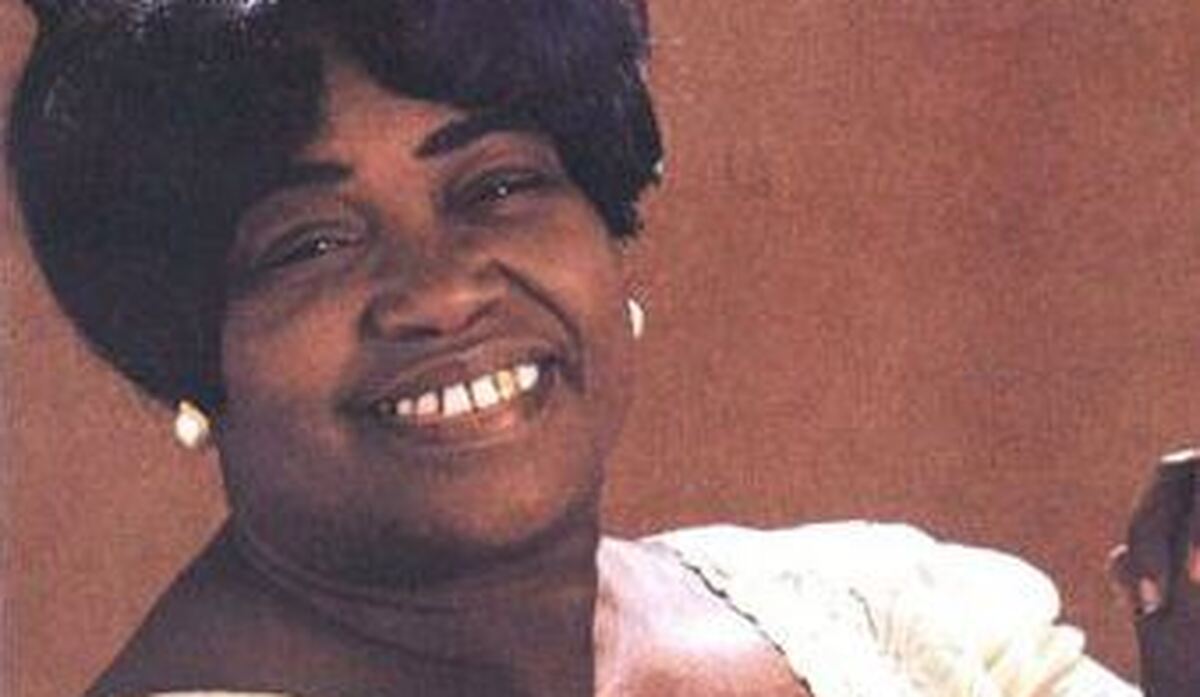
Marion Williams
Marion Williams (born 29 August 1927; died 2 July 1994) was an American singer born in Miami, Florida. Specialising in traditional African-American gospel music, she gained prominence in the mid-twentieth century as a pivotal figure in the genre's golden era. She established a significant industry milestone by transitioning from a foundational group vocalist into a highly decorated solo artist, introducing preternaturally broad soprano dynamics and deep vocal growls to spiritual music. Her vocal innovations and stylistic performance choices directly influenced secular genres, serving as a foundational blueprint for early rock and roll, soul, and rhythm and blues vocalists.
Early Life
Williams was raised in Miami within an economically challenged household, born to a religiously devout mother and a musically inclined father. Her early musical foundations were formed by absorbing a diverse array of local sounds, including traditional African-American blues, jazz, and Caribbean calypso music. Financial hardship forced Williams to leave formal schooling at nine years of age to support her family, working as a domestic maid, nurse, and factory and laundry worker. She returned to laundry work alongside her mother at fourteen years of age, though she maintained her musical development by singing at local church services and on public street corners. She drew vital childhood influence from the street-ministry style of Sister Rosetta Tharpe and the vocal arrangements of the Smith Jubilee Singers, strictly resisting industry pressure to pivot her expansive vocal talent toward secular opera or popular blues.
Career
Her professional journey advanced significantly in 1946 when a casual vocal performance for a friend in Philadelphia was observed by prominent gospel directors Clara and Gertrude Ward. Formally inducted into the Famous Ward Singers in 1947, Williams spent eleven years with the ensemble, driving them to major commercial heights with her debut on "How Far Am I from Canaan" (1948) and the definitive breakthrough hit "Surely God Is Able". Dissatisfied with low financial compensation despite her central star status, she left in 1958 alongside fellow members to establish a new vocal group, the Stars of Faith. After intentionally retreating from the spotlight to allow her peers greater creative space, the group achieved critical redemption in 1961 by starring in the acclaimed Off-Broadway theater production Black Nativity, which undertook extensive concert tours across North America and Europe. Re-inspired during a visit to Miami in 1965, Williams embarked on a highly successful solo career, touring international college campuses and achieving a signature solo hit with "Standing Here Wondering Which Way to Go" (1971). Her late-career output included the critically praised 1993 album Can't Keep It to Myself, a featured opening performance of the signature hymn "Amazing Grace" for a 1990 PBS video documentary with Bill Moyers, and a cameo appearance in the 1991 feature film Fried Green Tomatoes, which was dedicated to her memory.
Personal Life
Williams balanced her demanding international itinerary with a deeply rooted spiritual life in Pennsylvania, serving as an esteemed member and designated Church Mother at the BM Oakley Memorial Church of God in Christ in Philadelphia under the leadership of Mother Irene A. Oakley. Her professional legacy remains monumentally influential within American popular music, with her signature vocal wails and physical intensity directly inspiring the foundational performance style of rock and roll pioneer Little Richard. Her exceptional contributions to American culture were formally cemented in 1993 when she was awarded a prestigious MacArthur Foundation Fellowship, recognising her as one of the most versatile vocalists of her generation. Later that same year, she travelled to Washington, D.C., to receive the Kennedy Center Honors, where she was celebrated with a multi-artist musical tribute featuring live performances by Aretha Franklin, Billy Preston, and Little Richard.
Current Activities
Following her death from cardiovascular disease at the Albert Einstein Medical Center in Philadelphia on 2 July 1994, Williams's musical and historical archive has been maintained by prominent institutional collections. Her physical legacy is preserved through her interment at the Ivy Hill Cemetery in Philadelphia, alongside permanent documentary displays highlighting her status within the golden age of gospel music. Handled by her family estate, publishing representatives, and archival recording teams, her classic catalogues with Shanachie Entertainment Corp. and Atlantic Recording Corp. are routinely curated for modern digital streaming platforms, historical radio broadcasts, and specialised gospel compilations. Her celebrated performance of Charles Wesley's "A Charge to Keep I Have" and the traditional hymn "Didn't It Rain" remain actively available to global audiences through ongoing distribution of the Fried Green Tomatoes score and director's cut releases.
https://en.wikipedia.org/wiki/Marion_Williams